By Ahmed Kaigama
North East Stakeholders at a Regional Consultative Workshop on Early Childhood Development (ECD) have urged governments of the six North-East states to prioritise stunting reduction and child nutrition interventions in their annual budgets.
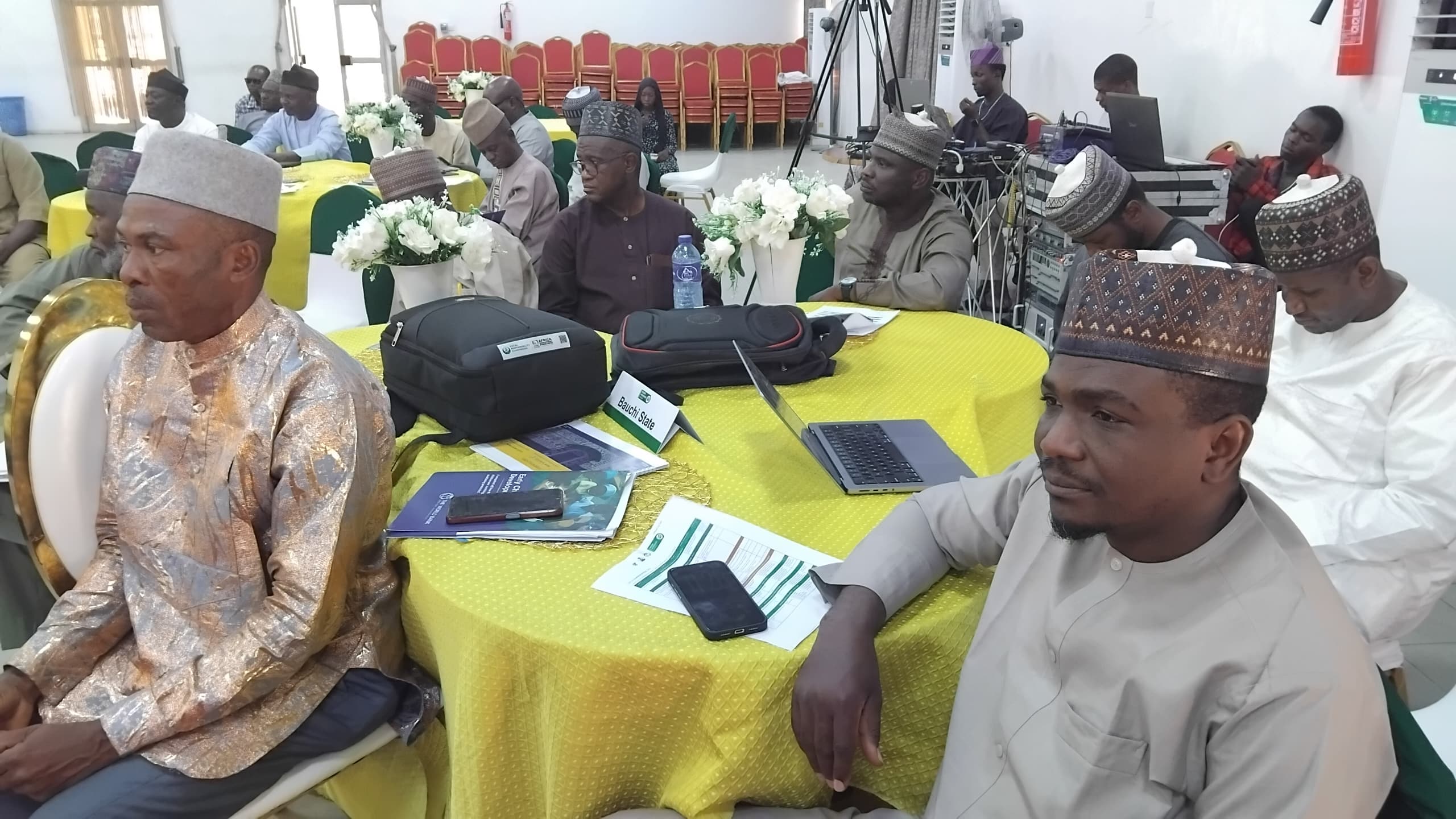
The stakeholders made the call at the end of a three-day regional consultative workshop on ECD held on Thursday in Maiduguri.
Mr Abubakar Usman, a participant from Bauchi, said addressing stunting required sustained government investment in maternal and child nutrition, healthcare, sanitation and early childhood development.
He urged state governments to specifically capture interventions aimed at reducing stunting in their 2027 budgets.
He stressed that the condition had serious consequences for children’s physical growth, brain development, learning ability and future productivity.
Usman said stunting was largely caused by the combined effects of poor nutrition, recurrent infections, inadequate care and poor environmental conditions.
He identified poor maternal nutrition, inadequate breastfeeding and complementary feeding, household food insecurity.
“Repeated diarrhoea and other illnesses, poor sanitation and limited access to clean water as major factors contributing to the high burden of stunting,” he said.
According to him, the first 1,000 days, from conception until a child reaches two years, represent a critical window for preventing stunting and its long-term consequences.
He said children affected by severe stunting could experience impaired cognitive development, poor educational outcomes, increased health risks and reduced productivity in adulthood.
The stakeholder stressed that tackling stunting should begin even before conception, particularly by improving the nutritional and health status of adolescent girls and women of reproductive age.
The Shehu of Borno, Alhaji Abubakar Umar-Garbai, represented by the District Head of Maisandari, Alhaji Abba Bukar, said parents had a major responsibility in ensuring proper upbringing and development of children.
He pledged the support of traditional institutions towards early childhood development and promised to mobilise other traditional leaders to champion the course.
Dr Ahmed Abdulwahab of the Nigeria Governors’ Forum (NGF) said the workshop was organised to enable the six North-East states to identify priority ECD interventions for inclusion in their 2027 budgets.
He said representatives of health, education, budget, women affairs, water resources, local government and ALGON participated in the consultation.
Abdulwahab stressed that child development required a coordinated, multisectoral approach because nutrition, health, education and other needs of children were interconnected.
He said the NGF Secretariat would support states in addressing implementation bottlenecks and ensuring that identified priorities received appropriate attention.
Dr Zainab Idris, Lead Facilitator and National President of the Medical Women’s Association of Nigeria, described the consultation as engaging and productive, stressing the need for stronger collaboration to improve child development outcomes across the region.
She stressed the importance of coordinated action among sectors to ensure that children in the North-East receive the necessary support during their critical early.