By Ishola Michael
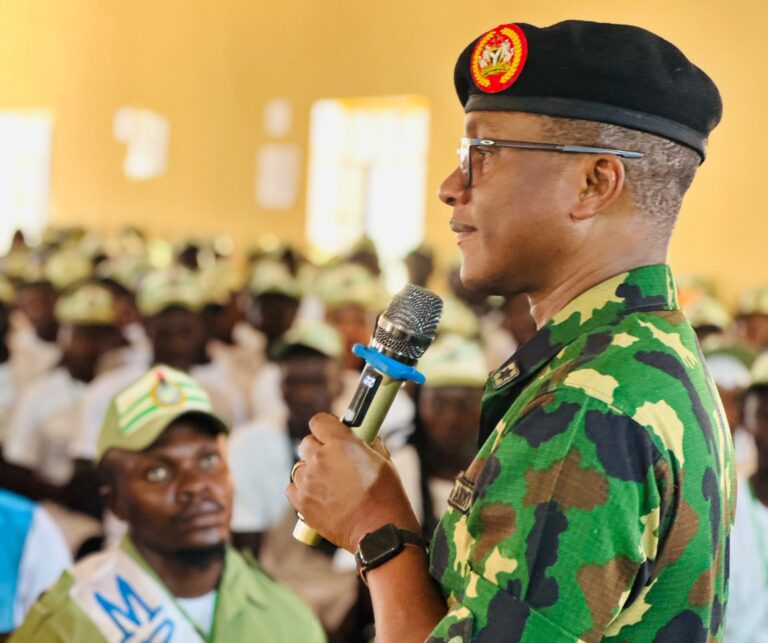
The Executive Chairman of the Bauchi State Primary Healthcare Development Board, Dr Rilwanu Mohammed, has blamed misinformation by some religious leaders for slowing the implementation of family planning programmes in the state.
He said some Islamic and Christian clerics who lack adequate knowledge of their religious scriptures continue to discourage family planning and child spacing by telling worshippers that God commanded people to keep giving birth and multiplying.
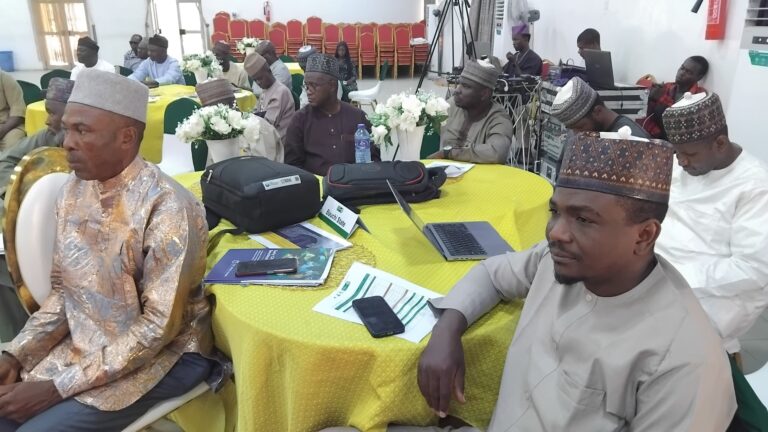
Dr Mohammed stated this on Monday during the opening of a four-day training on the Human Rights-Based Approach (HRBA) to Family Planning in Bauchi State. The training was organised by the United Nations Population Fund (UNFPA) in collaboration with the Bauchi State Ministry of Health and Social Welfare and the Bauchi State Primary Healthcare Development Board.
According to him, such teachings have negatively affected efforts by the government and development partners, particularly UNFPA, to improve access to family planning services and increase their acceptance among communities.
He commended UNFPA for its continued support to the state, particularly in the procurement of family planning commodities, renovation and equipping of healthcare facilities, and capacity building of health workers.
“We signed a Memorandum of Understanding with UNFPA for the procurement of family planning commodities because we are confident of getting genuine products. Training is equally important because without building the capacity of personnel, meaningful progress cannot be achieved,” he said.
The chairman noted that the state government had increased its allocation for the procurement of family planning commodities from ₦50 million last year to ₦70 million this year. However, he explained that the release of the funds had been delayed due to administrative processes.
He recalled that the previous procurement process took about nine to 10 months but expressed optimism that future procurements would be completed more quickly as existing procedures had already been established.
Dr Mohammed also praised UNFPA for recently carrying out a 72-hour renovation and upgrade of six primary healthcare facilities in the state, describing the intervention as impactful.
“The support is coming in virtually every area you can think of. The good thing is that these are grants, not loans that future generations will have to repay,” he added.
He stressed that while the Child Rights Act had been passed in the state, implementation remained weak, calling for stronger enforcement of existing laws and greater commitment from relevant government agencies.
Speaking on the need to protect children, Dr Mohammed decried the increasing cases of child sexual abuse, alleging that many perpetrators were close relatives of the victims and often escaped justice through influence and financial inducement.
He urged participants at the training to actively contribute to discussions and develop practical recommendations that would improve family planning uptake and strengthen rights-based service delivery in Bauchi State.
Earlier, the UNFPA Desk Officer at the Bauchi State Ministry of Health and Social Welfare and Secretary of the State Technical Working Group on Family Planning, Zuwaira Baba, described the training as timely and long overdue.
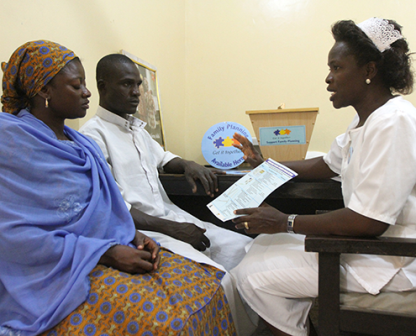
She said participants were expected to gain a better understanding of the Human Rights-Based Approach and Gender Transformative Approach to family planning, including the relationship between the two frameworks and the rights that underpin family planning information and services.
According to her, participants would also assess existing family planning programmes from human rights and gender perspectives, identify programme gaps, and develop action plans to strengthen gender equality and human rights in the delivery of family planning services across the state.