By Rauf Oyewole
The United Nations Children’s Fund (UNICEF) has called on parents, traditional rulers, governments and community stakeholders to intensify efforts to end child marriage and invest in the development of the girl child. The Chief of Field Office, UNICEF Bauchi, Dr. Nuzhat Rafique, made the call during the activities marking the International Day of the Girl Child in Gombe State.
Rafique said this in Gombe over the weekend during activity marking this year’s international Day of the Girl Child organised in collaboration with Gombe and Bauchi states, she said the gathering provided an opportunity to advocate for the protection of girls’ rights and promote collective action against child marriage.
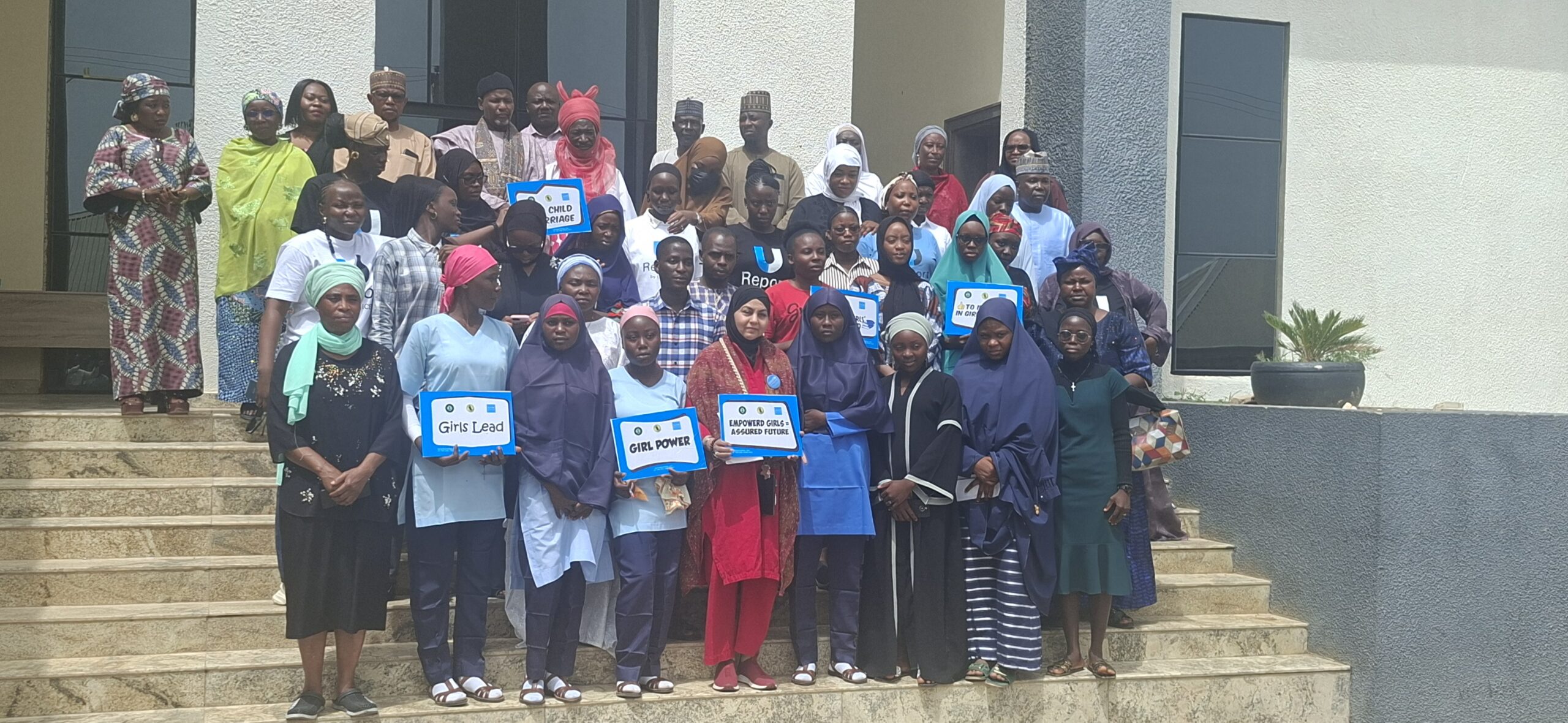
She said the event brought together adolescent girls, government representatives, traditional rulers, community members, non-governmental organisations and institutions working to end child marriage and improve opportunities for girls.
According to her, ending child marriage requires coordinated interventions across education, health, nutrition and social policy, alongside deliberate investments in girls’ growth and development.
“If girls are behind, then the nation will be behind,” she said, stressing that girls must be given opportunities to fulfil their potential, access quality healthcare and nutrition, and pursue their desired careers. She added that investing in girls would enable them to contribute meaningfully to society as individuals and mothers while giving future generations a stronger foundation.
On the role of parenting in ending child marriage, Rafique described positive parenting as a key intervention, noting that parents, particularly fathers, have significant influence over decisions affecting their daughters.
She explained that promoting positive parenting could help families and communities make informed decisions that protect girls’ rights and support their development.
The UNICEF official also called on traditional rulers to take the lead in mobilising communities against child marriage and promoting the value of educating and empowering girls.
She emphasised that government institutions, particularly those responsible for education, health, social policy and women’s affairs, must work together to promote positive parenting and ensure that girls receive the support they need.
Rafique said efforts to end child marriage and improve the lives of girls must involve everyone, from parents and community leaders to state governments. She urged stakeholders to recognise the importance of investing in the girl child and work collectively to ensure that every girl has the opportunity to grow, learn and reach her full potential.
A representative of Bauchi State Ministry of Justice and the Gender Desk Officer, Barrister Memuna Ibrahim Yusuf, advocated for the elimination of harmful cultural practices mostly in rural communities that endanger the potential of girl child. She revealed that the state government has set up a family court to address cases involving families and children.
Stakeholders from traditional and religious institutions including civil society organisations from Bauchi and Gombe states were in attendance to proffer solutions to issues affecting the girls.