- NESREA and Taraba ACReSAL form a partnership to enforce environmental laws and accelerate sustainable development in Taraba State.
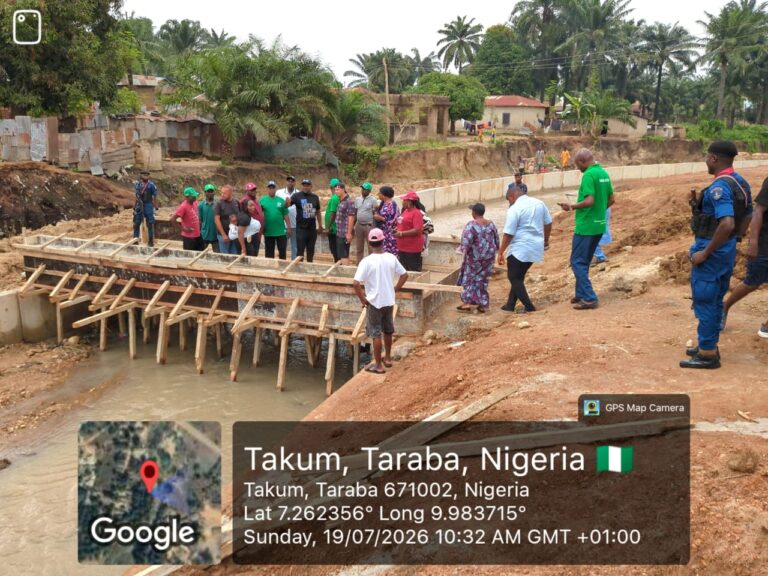
- ACReSAL extends major climate resilience and watershed interventions from 3 to 10 micro-catchments across the state.
- Protecting ecosystems, boosting air quality regulations, and tackling climate change effects through joint data sharing.
JALINGO, NIGERIA — The National Environmental Standards and Regulations Enforcement Agency (NESREA) has moved to forge a strategic partnership with the Taraba State Agro-Climatic Resilience in Semi-Arid Landscapes (ACReSAL) project to bolster environmental protection and climate resilience across the state.
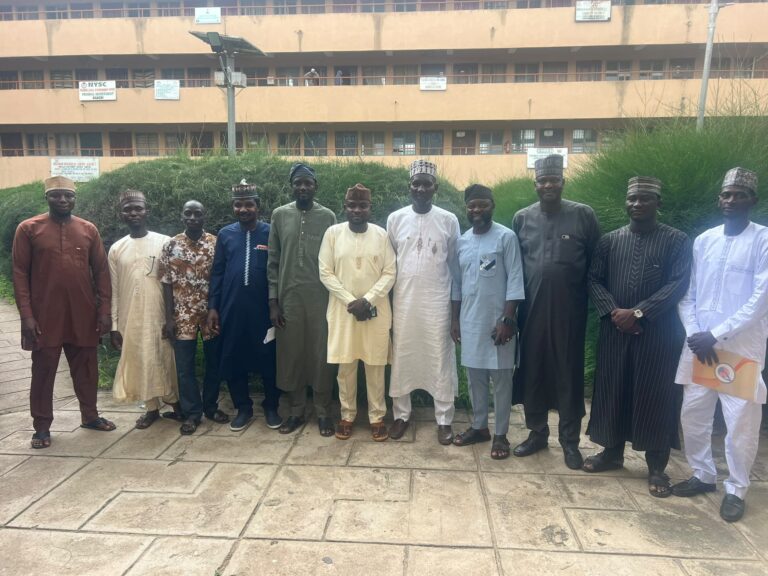
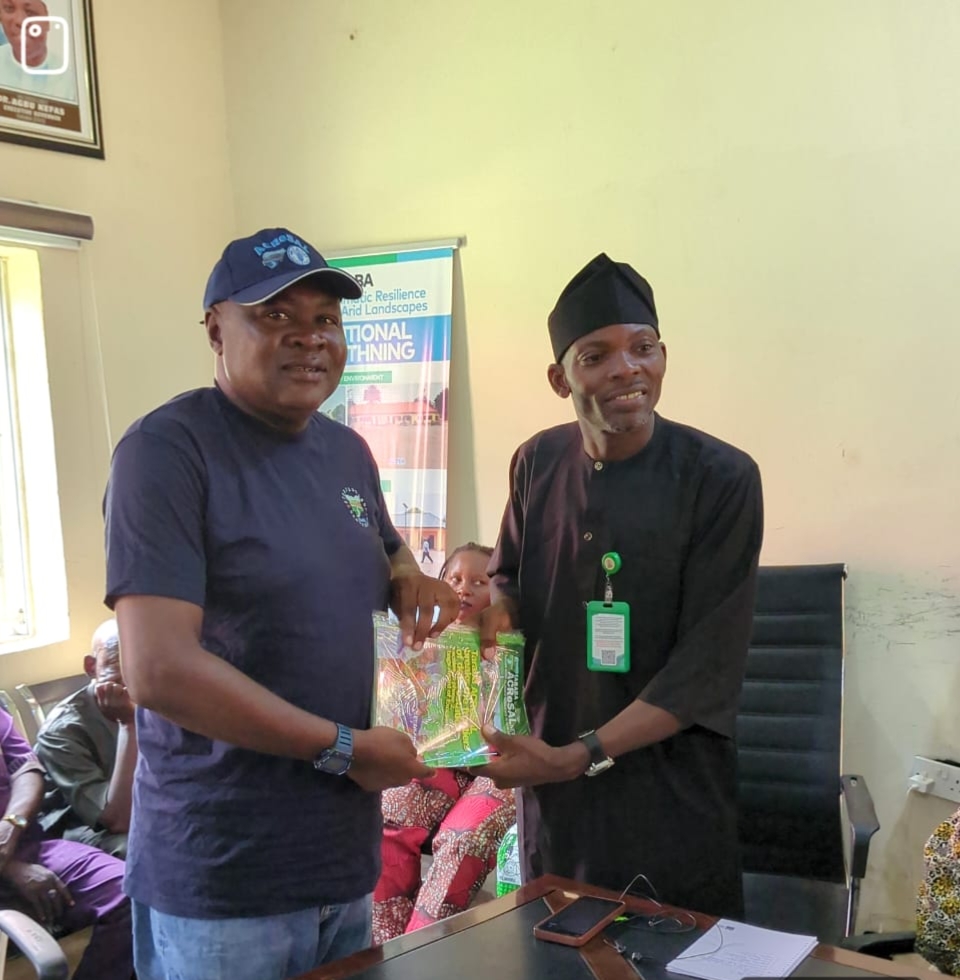
The development was revealed during an official working visit by NESREA leadership to the ACReSAL State Project Management Unit (SPMU) at the ACReSAL Conference Hall in Jalingo.
Speaking during the meeting, the Taraba State Coordinator of NESREA, Mr. Oteikwu John, emphasized that enforcement of environmental regulations requires strong multi-agency collaboration.
Twasshue noted that NESREA’s federal mandate established in 2007 allows the agency regulate technologies and activities that threaten environmental safety while implementing international treaties on air quality and ozone layer protection.
“We are here to see how we can work together and complement the good work ACReSAL is doing in Taraba State,” John stated. “Environmental law enforcement is about protecting the environment, and through collaboration and data sharing, we can achieve greater results.”
Welcoming the initiative, the Taraba ACReSAL State Project Coordinator, Dr. Yakubu Giwa Clement, assured NESREA of complete readiness to build a productive partnership.
Dr. Clement addressed common public misconceptions surrounding the project, clarifying that ACReSAL is a multi-sectoral initiative encompassing environment, water resources, and agriculture—not merely a funding distribution program.
He revealed that ACReSAL is actively scaling up its environmental interventions.
Strengthening Community Engagement and Legal Safeguards
Key SPMU officials—including heads of the Legal, Environmental Safeguards, and Monitoring & Evaluation units—supported the alliance, stressing the need for robust community engagement through the project’s Grievance Redress Mechanism (GRM).
The meeting concluded with both federal and state bodies pledging a unified front to safeguard Taraba’s natural ecosystems against severe climate degradation.