By Ahmed Ahmed
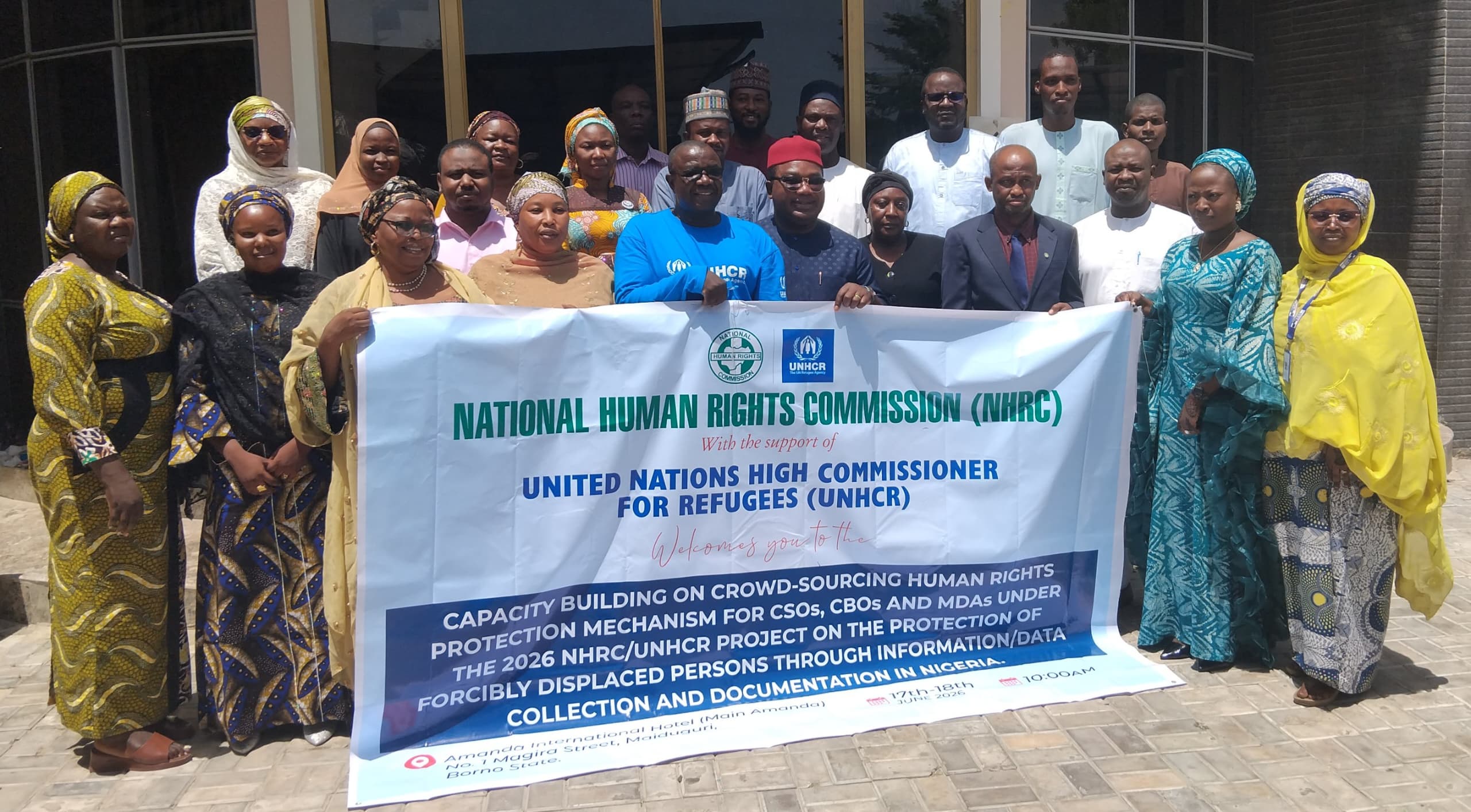
The National Human Rights Commission (NHRC) and the United Nations High Commissioner for Refugees (UNHCR) have intensified efforts to strengthen community-based protection mechanisms for Internally Displaced Persons (IDPs) and Forcibly Displaced Persons (FDPs) in Borno State.
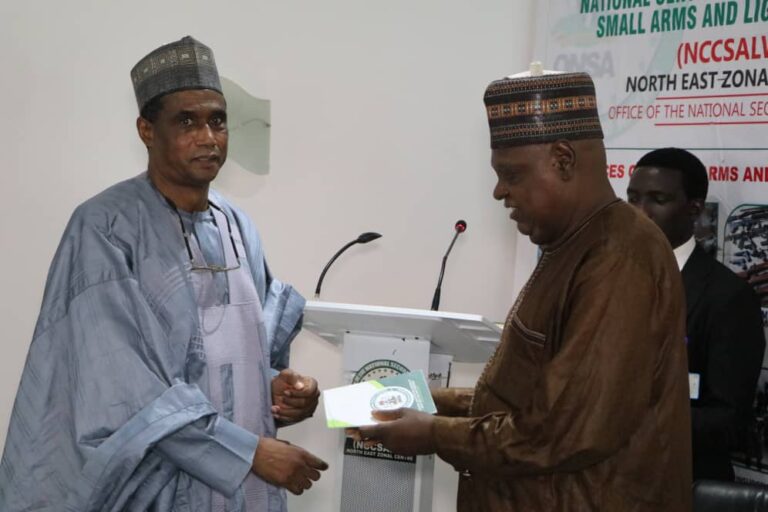
The Executive Secretary of the NHRC, Dr. Tony Ojukwu, stated this at the opening of 2-day training on Crowd-Sourcing Network Human Rights Protection Mechanisms under the 2026 NHRC/UNHCR Project on Wednesday in Maiduguri.
He said the community-based protection mechanism is through a capacity-building programme for key stakeholders across the state.
Ojukwu said the initiative was designed to enhance the ability of communities and partner organisations to identify, document and report human rights violations affecting displaced persons.
He noted that persistent insecurity, conflicts and displacement in parts of the country had created protection challenges requiring timely and coordinated responses from both government and non-governmental actors.
Ojukwu said participants were drawn from Civil Society Organisations (CSOs), Community-Based Organisations (CBOs), Ministries, Departments and Agencies (MDAs), Community Protection Action Groups (CPAGs) and Human Rights Monitors (HRMs).
“Would be equipped with skills in information gathering, secure reporting, ethical verification and the use of digital tools for early warning and rapid response,” he said.
According to him, strengthening grassroots reporting systems would ensure that incidents affecting displaced persons are quickly communicated to relevant authorities, thereby reducing delays in intervention and improving protection outcomes.
He reiterated that the training is expected to improve collaboration among stakeholders and promote a more coordinated approach to protecting vulnerable populations across the project states.
Also speaking, Mr. Daniel Bisu, UNHCR Assistant Protection Officer, Maiduguri Field Office, urged participants to become active human rights advocates within their communities by promptly reporting violations and protection risks.
He stressed that timely reporting could make the difference between life-saving interventions and severe consequences for vulnerable persons, particularly women, children and displaced populations.
In her remarks, Ms Habiba Ghana of the Borno State Ministry of Justice described the training as a welcome development.
She expressed confidence that the knowledge acquired would enhance efforts to combat human rights violations and strengthen protection services in communities hosting displaced persons.