Weak referral systems and persistent drug shortages are undermining Yobe State’s fight against malaria.
Mukhtar Mohammed Shehu, Programme Officer of Civil Society for Malaria Control, Immunization and Nutrition (ACOMIN) asserted this while speaking with journalists.
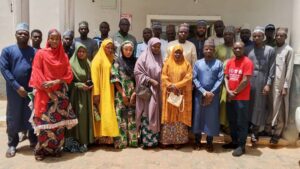
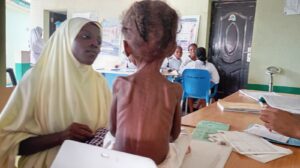
According to him, despite millions of dollars in global fund and government investments, evidence from the group’s “Community Led Monitoring” showed that patients were still being lost in the system due to poor referrals, treatment interruptions and a shortage of trained healthcare workers.
“Evidence generated through Community Led Monitoring shows that gaps in service delivery continue to affect health outcomes in many communities,” Shehu stated.
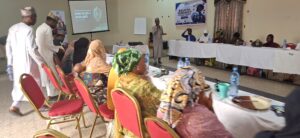
He said ACOMIN’s 18 active community groups, including journalists, fund managers and officials of the National Malaria Control Programme and Yobe State Public Health Authority, had documented other critical barriers: inadequate facility resources, limited testing and treatment services, and economic and transportation barriers that keep patients away.
While commending Yobe State government’s efforts and Global Fund support, Shehu urged stakeholders to act urgently to strengthen referral systems, guarantee uninterrupted access to essential medications and diagnostics.
He also urged them to invest in healthcare workforce development, expand community-based screening and reduce financial barriers.
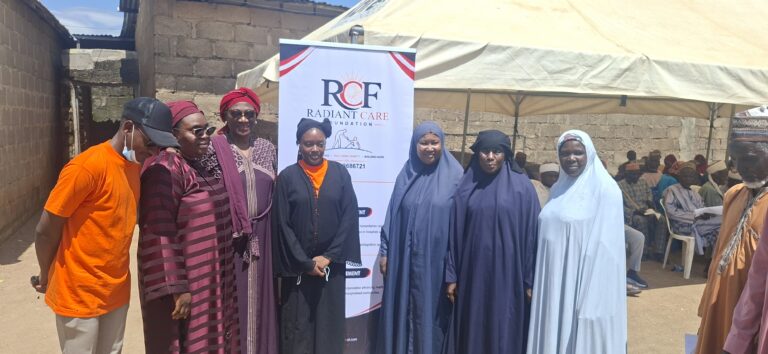
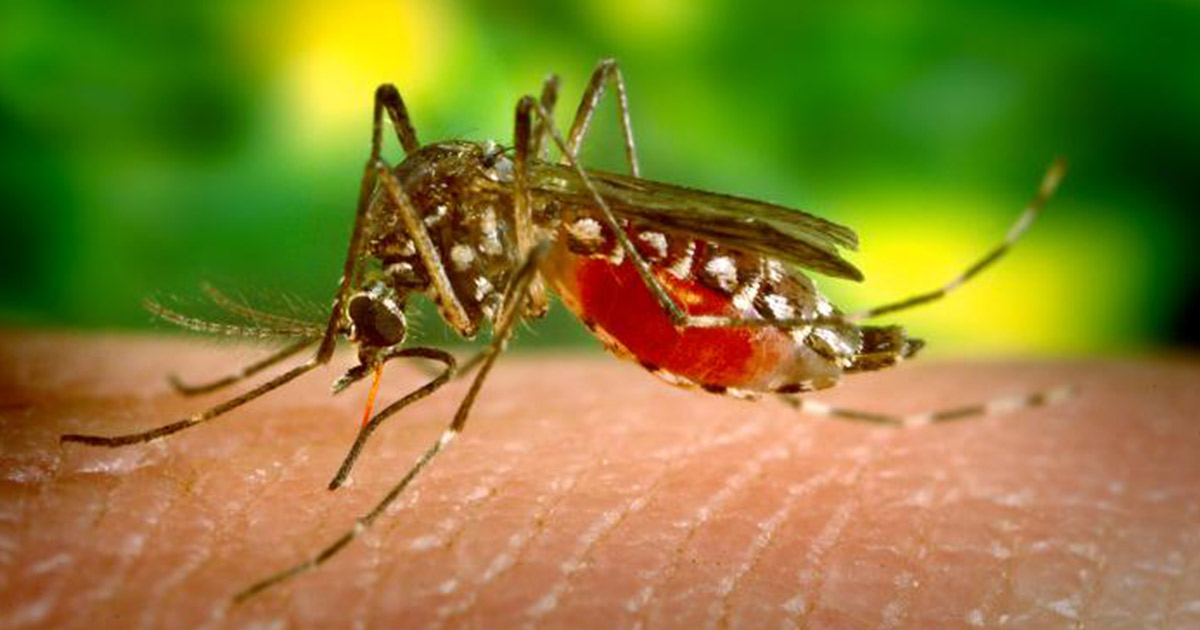
“We clarified these services, urging locals to keep surroundings tidy to reduce mosquito breeding and encouraging them to visit facilities because services are free,”he said.
ACOMIN stressed that community engagement and local oversight remain critical to ensuring international health funding translates into measurable improvements for Yobe residents.