By Taiwo Oyewole
The Bauchi State Government in collaboration with Lixil and the United Nations Children’s Fund (UNICEF) have committed more efforts to expand open defecation free status in Bauchi State while improving health status of the residents.
Speaking in Ningi on Thursday, the General Manager of the Bauchi State Rural Water Supply and Sanitation Agency RUWASSA) was represented by Assistant General Manager, Sanitation: Alh. Bala Zailani, reinstated the commitment of the State Government to get Ningi and other local government areas out of open defecation.
Zailani said that both UNICEF and Lixil have supported the state with all necessary technical skills. He spoke while marking this year’s World Toilet Day.
He said that “UNICEF provides technical and financial support, capacity building, monitoring, and advocacy to strengthen government-led sanitation programming. UNICEF also supports Community-Led Total Sanitation (CLTS) sanitation marketing, behavior change communication, and sustainability initiatives
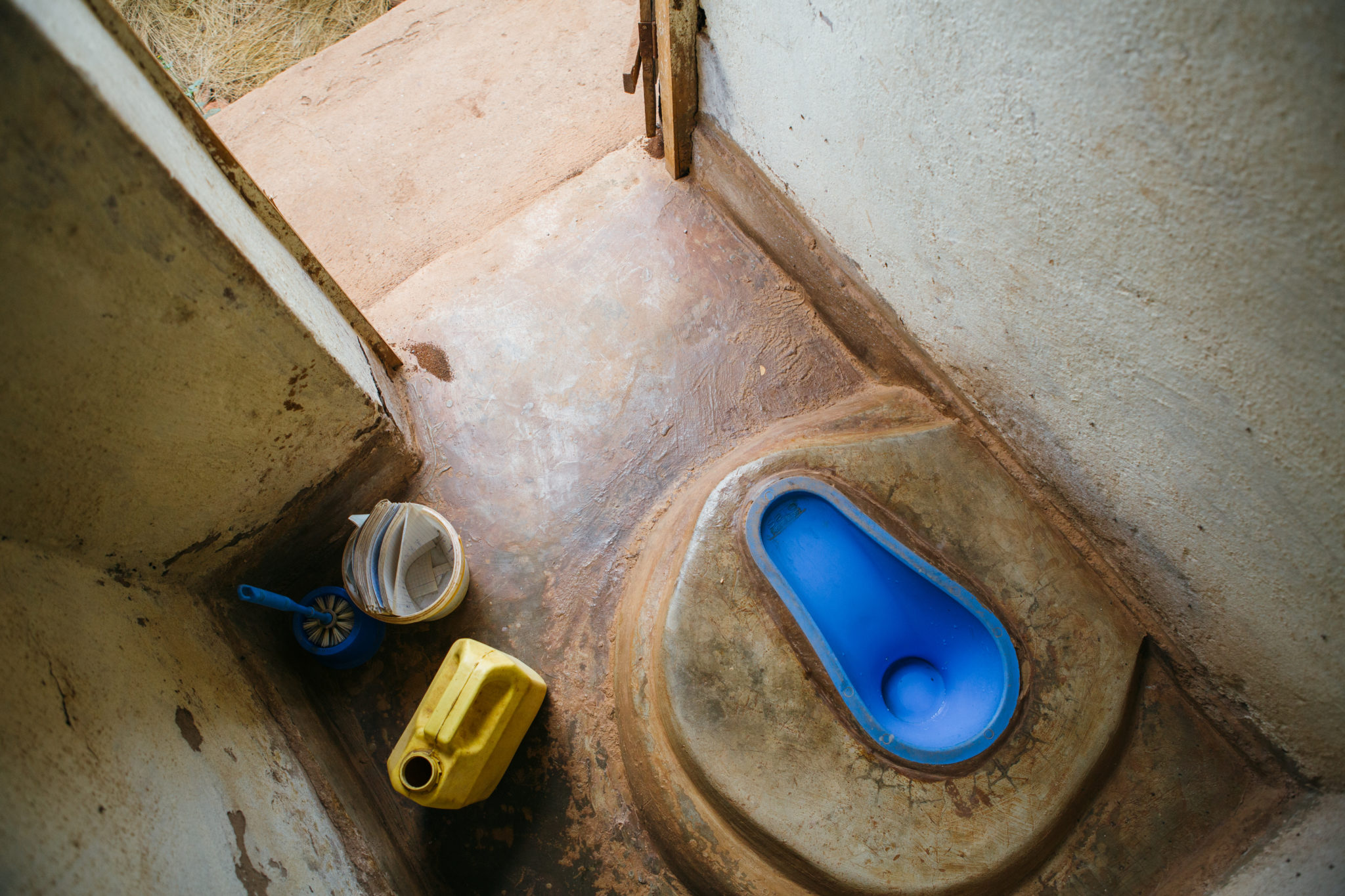
“Lixil supports sanitation marketing and promotes the SATO Pan as an affordable, accessible and improved toilet technology option for households. Through strengthening trained Toilet Business Owners (TBOs) market linkages, and private-sector engagement, Lixil contributes to increasing access to improved household sanitation facilities,” he said.
Also, the Council Chairman Alh. YahuzaAdamu, represented by his Vice, said that the commitment of the local government in building Water, Sanitation and Hygiene (WASH) has contributed to the success being recorded.
He said that the Council has constructed public toilets across the political wards and water supply in public places. He commended the development partners for their support.
One of the beneficiaries Habibatul Ahmed expressed gratitude for eradication of open defecation in her household, explaining that intervention has given them the opportunity to build a dignified toilet where everyone feels safe. “We have not been falling sick every now and then unlike in the past.
“Apart from the risk of looking around for bush which is associated with many risks like snakebites, security threats: we now feel very dignified using the toilet at home. If everyone can adopt this, the whole community would be free from cholera.”