By Ishola Michael
…Organises consultative meeting on implementation of National Action Plan
The National Human Rights Commission (NHRC) has called on stakeholders to contribute ideas and recommendations towards the effective implementation of the National Action Plan (NAP) for the promotion and protection of human rights and dignity in Nigeria.
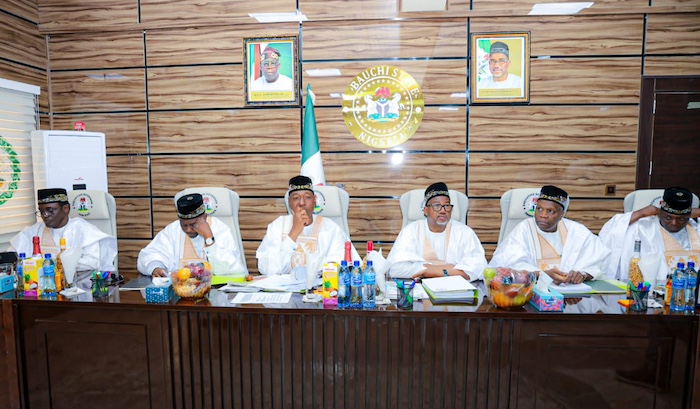
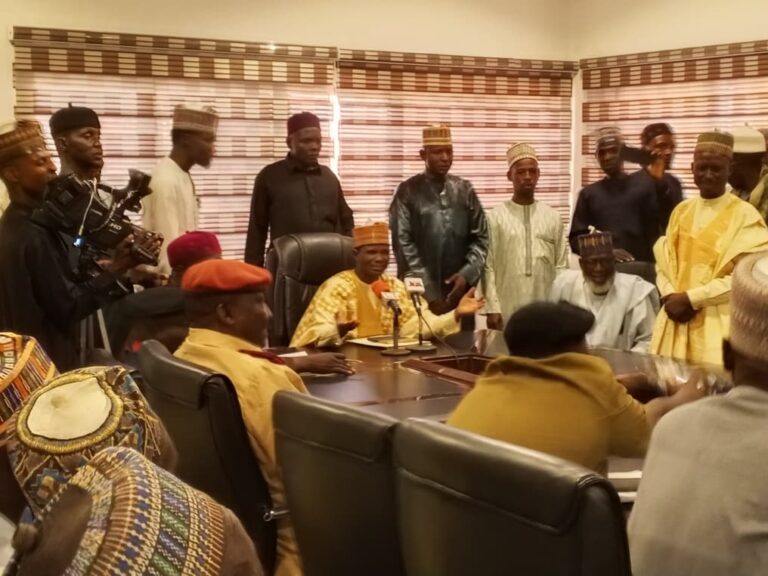
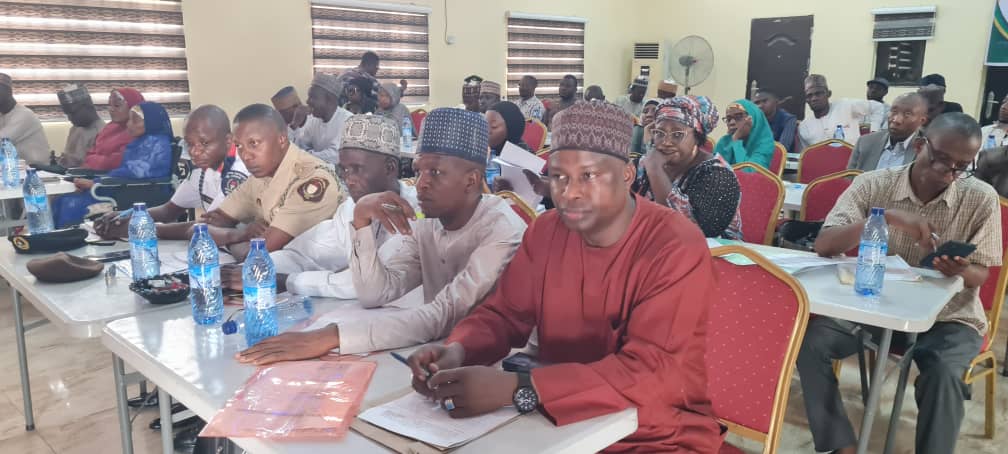
The Commission, in collaboration with VIVA Atlantic Limited, on Tuesday organised a one-day State Consultative Meeting on the 2026 Implementation Plan of the National Action Plan (NAP) for the Promotion and Protection of Human Rights in Nigeria in Bauchi.
Speaking at the meeting, the Executive Secretary of the NHRC, Tony Ojukwu, said the National Action Plan serves as a guiding framework for the protection and promotion of human rights in line with the Vienna Declaration and Programme of Action adopted at the World Conference on Human Rights in Vienna, Austria, in 1993.
Represented by the Bauchi State Coordinator of the NHRC, Barrister Yahcit Dala, Ojukwu stated that the document reflects a collective commitment by government institutions and non-state actors to address gaps, tackle emerging challenges and build a more inclusive and rights-respecting society.
According to him, the Attorney-General of the Federation and Minister of Justice, in the preface to the National Action Plan for the Promotion and Protection of Human Rights in Nigeria (2024–2028), reaffirmed the Federal Government’s commitment to protecting all human rights as guaranteed under the Universal Declaration of Human Rights, other international instruments and the Nigerian Constitution.
He recalled that Nigeria adopted its first National Action Plan on Human Rights between 2009 and 2013 as a framework for implementing the country’s international human rights obligations and coordinating actions across government institutions.
Ojukwu explained that after the expiration of the first plan, the NHRC spearheaded a decade-long consultative process involving Ministries, Departments and Agencies (MDAs), civil society organisations and other stakeholders, which eventually led to the adoption of the 2024–2028 National Action Plan.
“The extensive and inclusive nature of this process ultimately culminated in the adoption of the National Action Plan (2024–2028), reflecting a renewed and more comprehensive commitment to the promotion and protection of human rights in Nigeria,” he said.
He added that the plan is now fully in its implementation phase, making it necessary to monitor and evaluate activities across agencies, identify operational challenges and strengthen implementation strategies where necessary.
According to him, the consultative forum was convened to provide stakeholders with an avenue to discuss implementation modalities, clarify roles and responsibilities, harmonise efforts across sectors and address emerging gaps.
He stressed that stronger collaboration between MDAs and Civil Society Organisations (CSOs) remained essential for sustainable protection of human rights in the country.
“As we deliberate, I encourage us all to engage constructively, share insights from our respective experiences and propose actionable recommendations that will move us closer to achieving the objectives of the National Action Plan (2024–2028),” he said.
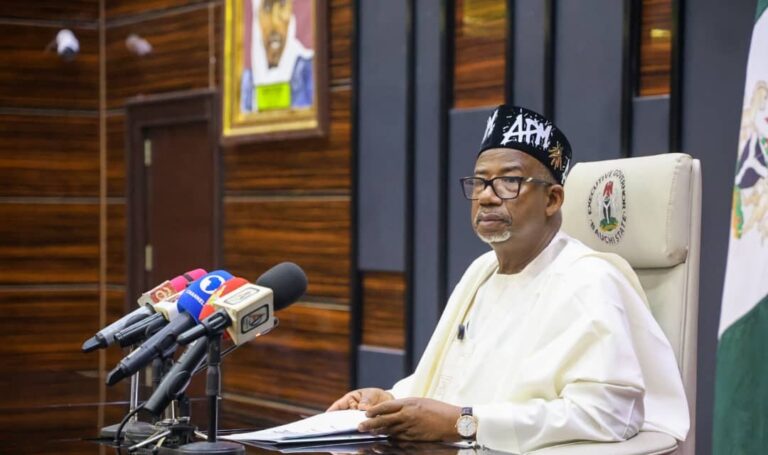
Also speaking, the Bauchi State Commissioner for Information and Communications, Usman Shehu Usman, commended the NHRC for its role in sustaining democracy and promoting good governance.
He said human rights violations occur at different levels of society, including within homes and communities, stressing the need for continuous public enlightenment.
The commissioner cited cases of domestic violence, child labour and abuse of domestic workers as some of the major issues requiring urgent attention.
He also referenced a recent case involving a child whose eyes were allegedly removed, noting that despite efforts by the Bauchi State First Lady to seek justice, the suspect had reportedly been released by the court.
According to him, there was a need for stronger laws and collective action to tackle human rights abuses across the country.
Usman assured the Commission of the ministry’s support, including the use of state-owned media platforms and community radio stations to promote
awareness programmes on human rights issues.
Participants at the meeting included representatives of MDAs, civil society organisations, human rights advocates, stakeholders and journalists.